
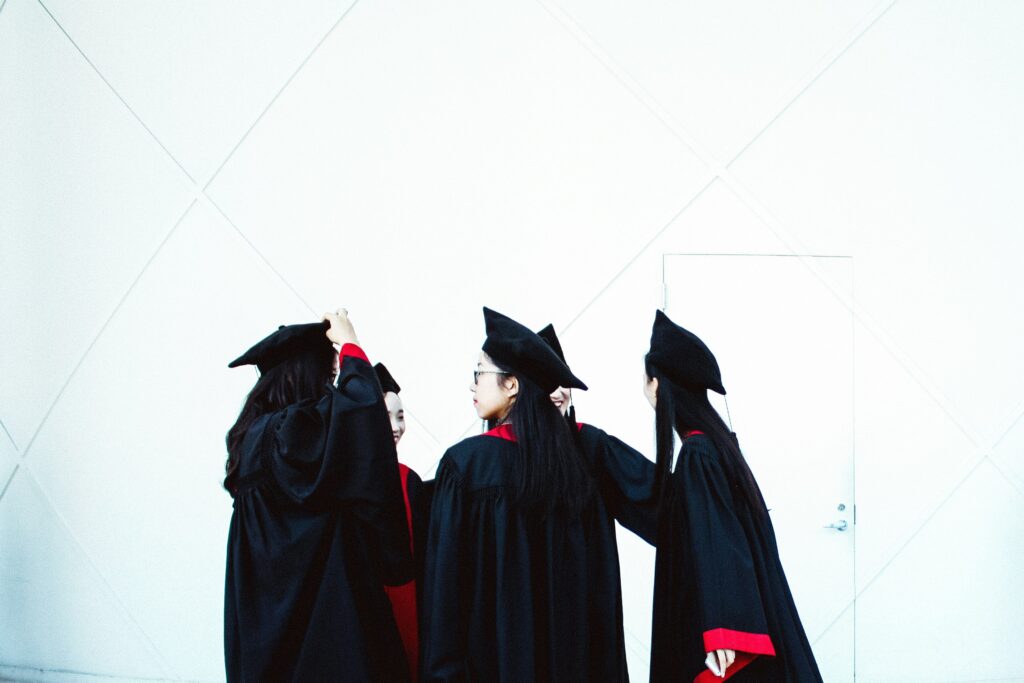
South Korea is one of the few countries in the world that rebuilt itself from the ashes of war and became a global powerhouse within just a few decades. Behind this extraordinary transformation lies a powerful engine: its education system. Korea’s schools are not just institutions—they are cultural foundations that shape discipline, humility, respect, innovation, and lifelong learning.
This blog explores how Korean schools work, why Korean students are humble and hardworking, and how this system has produced global successes in technology, music, cinema, business, and governance. All statements are based on reliable facts, global rankings, and cultural studies.
1. A Brief History: How Education Became Korea’s Superpower
Before understanding the modern school system, we need to know why Koreans value education so deeply.
1.1 Confucian Influence
For over 2,000 years, Korean culture has been shaped by Confucianism, a philosophy that emphasizes:
-
Respect for elders
-
Dedication to learning
-
Discipline
-
Social harmony
Confucian societies—like Korea, Japan, China, Singapore—are known for some of the highest education outcomes in the world.
1.2 Post-War Development
In 1953, after the Korean War, South Korea’s GDP per capita was just US $67—poorer than many African nations at that time.
The government decided the only resource the country had was human talent, so education became their national weapon.
1.3 Result: The Education Miracle
Today:
-
South Korea’s literacy rate: 97.9% (UNESCO, 2023)
-
Top ranks in math & science (OECD PISA rankings)
-
GDP per capita: $34,997 (World Bank, 2024)
-
Home to Samsung, Hyundai, LG, SK Hynix, KIA, Naver, and many global companies
-
Influences global culture with K-pop, K-drama, K-beauty
And this success begins inside the Korean classroom.
2. How Korean Schools Work: A Deep Dive
Korea’s education system is known for structure, consistency, and discipline. Here is the complete breakdown:
2.1 Structure of Korean Education
South Korea follows a 6-3-3-4 system:
-
Elementary School — 6 years
-
Middle School — 3 years
-
High School — 3 years
-
University — 4 years
Education is compulsory until the age of 15.
2.2 Elementary School (Grades 1–6)
What students learn:
-
Korean language
-
Math
-
Science
-
Social studies
-
Moral education
-
Music & art
-
Physical education
-
Coding (introduced as a subject early)
Key characteristics:
-
Focus on basic discipline
-
Respect for teachers
-
Group activities
-
Humility through teamwork
-
Responsibility through cleaning the classroom daily
Unlike many Western schools, Korean children clean their own classrooms, hallways, bathrooms, and lunch areas.
This teaches:
-
Self-reliance
-
Respect for common spaces
-
No job is “small”
2.3 Middle School (Grades 7–9)
What changes:
-
Competition increases
-
Students receive rankings
-
More homework and tests
-
Classroom discipline becomes stricter
-
Students join after-school private academies (hagwons)
Middle school is the period when students start preparing seriously for high school entrance.
2.4 High School (Grades 10–12)
High school life in Korea is famously intense.
Students study 10–12 hours a day or more.
Why so intense?
Because of the CSAT (College Scholastic Ability Test) called Suneung, one of the hardest exams in the world.
Your Suneung score decides:
-
Which university you get into
-
Future career
-
Social status
High school types:
-
General high schools
-
Science high schools
-
Foreign language high schools
-
Art/sports schools
-
Technical/vocational schools
2.5 The Suneung Exam: Korea’s Most Important Day
Every year, the entire country adjusts its schedule for this exam.
On Suneung day:
-
Stock markets open late
-
Aeroplanes stop flying during the listening exam
-
Traffic police escort late students
-
Younger students and parents gather to cheer examinees
This shows the cultural importance of education in Korea.
3. Why Korean Students Are Known for Humility and Discipline
Korean students’ humility is not accidental—it comes from cultural, social, and institutional factors.
3.1 Confucian Values
Korean students are raised to show:
-
Respect to elders and teachers
-
Humility regardless of talent
-
Politeness and gratitude
-
Harmony over ego
Bowing is a part of daily life.
3.2 School Rules That Build Discipline
Korean schools often have:
-
Uniforms
-
Strict attendance rules
-
No phones in class
-
Clean-your-own-class policy
-
Rotational leadership roles
-
Team-based learning
-
Morning assemblies
-
After-school study periods
These rules shape students to be responsible, punctual, and community-oriented.
3.3 The Value of Hard Work Over Talent
In Korea, the belief is:
“Effort is more important than intelligence.”
Students are encouraged to keep trying even if they fail.
This reduces ego and promotes perseverance.
3.4 Cleaning Their Own Schools
Korean students clean:
-
Classrooms
-
Corridors
-
Lunch areas
-
Toilets
This develops:
-
Humility
-
Collective responsibility
-
Respect for work
-
No class difference
Many world-famous Koreans say this habit shaped their mindset.
3.5 Seniors Supporting Juniors
In Korean schools:
-
Seniors guide juniors
-
Mentorship is common
-
Respect between grades is emphasized
This builds community bonds and emotional maturity.
4. How the Korean School System Creates Global Success Stories
South Korea has produced:
-
Samsung, LG, Hyundai, SK Hynix
-
World’s strongest pop culture (K-pop, K-drama)
-
Oscar-winning films (Parasite)
-
Global sports icons
-
One of the fastest technology adoption rates
Here are the reasons why.
4.1 Focus on STEM (Science, Technology, Engineering, Math)
South Korea ranks:
-
Top 5 globally in math & science according to OECD PISA
-
#1 globally in internet speed and digital adoption
-
#5 globally in R&D spending as % of GDP (OECD 2023)
This STEM strength directly results from school-level emphasis.
4.2 Early Introduction of Technology
Korea teaches:
-
Basic coding in primary school
-
Robotics and AI modules in middle school
-
Technology integration in every subject
This builds tech-savvy citizens from childhood.
4.3 The “Hagwon” Culture
Hagwons are private tutoring centers where millions of students study after school.
While controversial, they:
-
Boost performance
-
Create a competitive environment
-
Enhance problem-solving skills
-
Prepare students for global challenges
4.4 Discipline + Hard Work = Global Competitiveness
Korean students’ schedules are among the longest in the world (OECD study):
-
School: 8 AM – 4 PM
-
Hagwon or self-study: 5 PM – 10 PM
-
Total: 10–14 hours of study daily
This produces:
-
High retention
-
Mastery of fundamentals
-
Strong memory
-
Excellent work ethic
Companies like Samsung and Hyundai are built on this workforce.
4.5 Art, Creativity & Culture
Korea invests heavily in:
-
Music training
-
Dance academies
-
Arts schools
-
Media education
This produced:
-
BTS
-
Blackpink
-
EXO
-
K-drama industry
-
Korean design & beauty innovation
They mix discipline with creativity—rare in many countries.
4.6 Government Support
Korea’s government invests:
-
Over 5% of GDP in education (UNESCO)
-
Heavy subsidies for R&D
-
Scholarships for top performers
-
Global internships
This builds future-ready youth.
5. Cultural Values That Shape Korean Students
5.1 Collectivism Over Individualism
Korean culture teaches:
“The team is more important than the individual.”
This mindset creates cooperative, humble students.
5.2 Filial Piety (효 – Hyo)
Students study hard because they believe:
-
It honors their parents
-
It ensures family stability
-
It shows gratitude
This sense of duty builds humility.
5.3 Respect for Teachers
In Korea, teachers are called “Nation Builders.”
Students bow when class begins and ends.
Parents support teachers fully.
This mutual respect strengthens the learning environment.
6. Global Achievements Made Possible by Korea’s Education Culture
6.1 Tech Giants
-
Samsung — world’s #1 smartphone and memory chip maker
-
LG — global leader in electronics
-
Hyundai/KIA — world’s 3rd largest car manufacturer
-
SK Hynix — leading semiconductor producer
These companies hire highly disciplined, highly educated workers.
6.2 Culture & Entertainment
Korean creativity is fueled by:
-
Intense practice culture
-
Team spirit
-
Humility + willingness to learn
K-pop artists train 5–10 years before debut.
This discipline is similar to academic rigor.
6.3 Science & Innovation
Korea leads in:
-
Biotechnology
-
Robotics
-
AI research
-
Green energy
-
High-speed rail
-
Smart cities (Songdo, Seoul)
These achievements come from Korea’s problem-solving skills shaped in school.
7. Challenges of the Korean System
Despite its success, the Korean education system has challenges:
-
High academic pressure
-
Stress and burnout
-
Expensive hagwons
-
Limited creative freedom for some students
-
Competitive university entrance
The government is currently reforming policies to reduce stress and promote healthier learning environments.
8. What the World Can Learn from Korean Schools
8.1 Respect and Discipline
Teaching respect creates a positive society.
8.2 Cleaning System
Students should learn responsibility early.
8.3 High Education Standards
Consistent testing and strong fundamentals improve outcomes.
8.4 Blending Technology With Tradition
Korea balances modern tools with traditional discipline.
8.5 Parental Support
Family involvement boosts student success.
8.6 Teacher Authority
When teachers are respected, classrooms perform better.
Conclusion: Why Korea Produces Global Achievers
South Korea’s rise is not a miracle—it is the result of:
-
A disciplined school system
-
A culture of humility
-
Strong family values
-
Hard work over talent
-
Government investment
-
Respect for education
-
Early exposure to technology
-
Blending creativity with structure
This combination produces students who are:
-
Responsible
-
Determined
-
Humble
-
Innovative
-
Global-minded
The Korean education model shows that the real power of a nation lies in its people, and when a society invests deeply in its youth, the results can transform the entire world.