Ikigai: The Beautiful Japanese Philosophy the World Needs Today
Ikigai: The Japanese Secret to a Meaningful and Happy Life
Every morning, millions of people wake up feeling tired before the day even begins. Some rush to jobs they do not enjoy. Some feel lost even after achieving success. Others smile outside but quietly feel empty inside. Modern life has become fast, noisy, and stressful. We are constantly chasing something — money, fame, approval, or a better future — but many people still feel unhappy.
In the middle of this busy world, Japan offers a beautiful philosophy called Ikigai.
Ikigai is not just a word. It is a way of living.
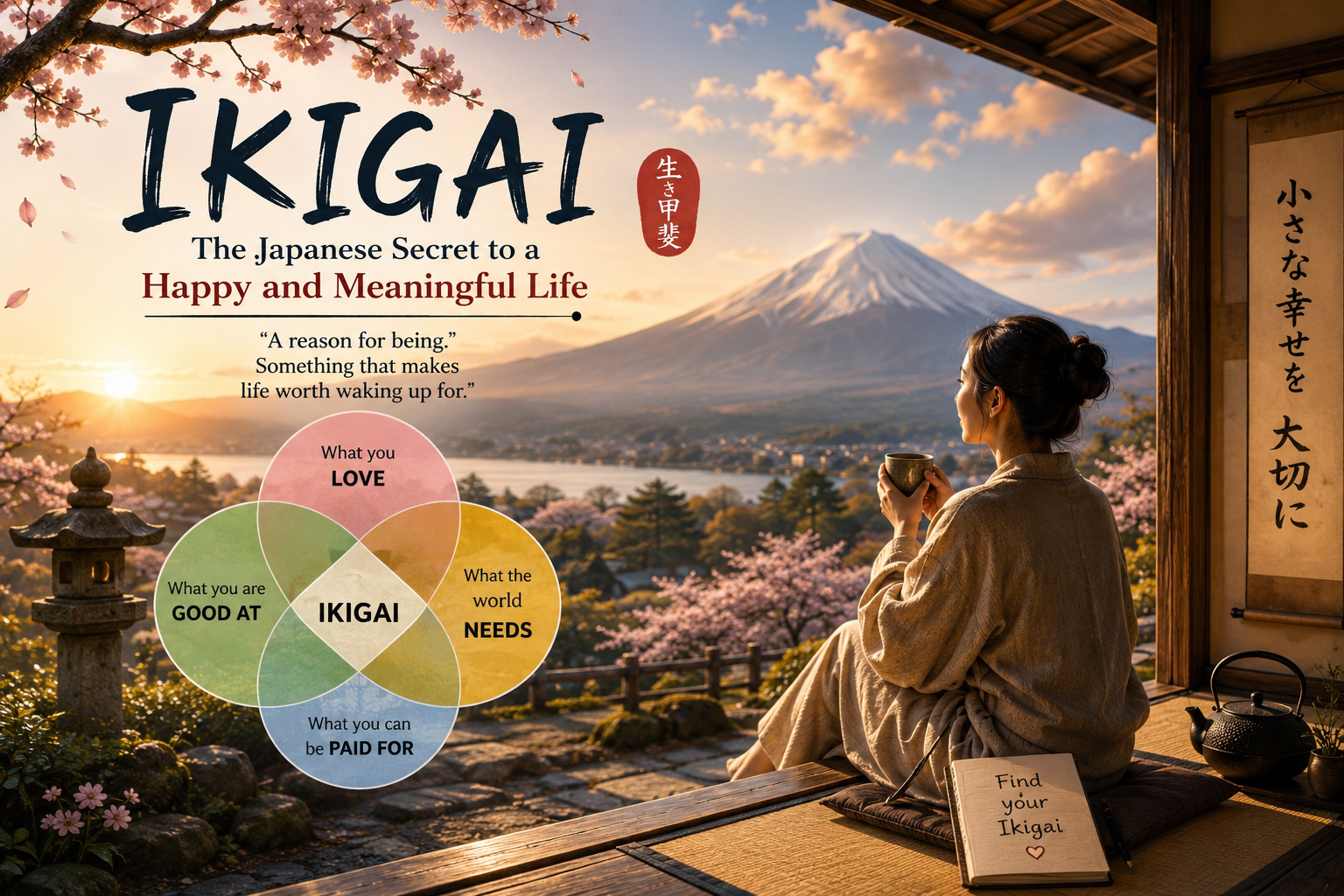
The word comes from Japan, where “Iki” means life and “Gai” means value or worth. Together, Ikigai means “a reason for living” or “the reason you wake up every morning.”
For many Japanese people, Ikigai is deeply connected to happiness, peace, discipline, and purpose. It is one of the reasons why Japanese culture feels calm, balanced, and meaningful. Even in difficult times, many people in Japan continue moving forward because they believe life should always have meaning.
But what makes Ikigai so special?
Why do so many Japanese people follow this philosophy naturally?
And what can the rest of the world learn from it?
Let us explore the deeper meaning of Ikigai and understand why this simple Japanese idea has inspired millions of people around the world.
Understanding the True Meaning of Ikigai
Many people think happiness comes only from success or money. But Ikigai teaches something completely different.
Ikigai says happiness comes from living with purpose.
This purpose can be big or small.
For one person, it may be teaching children.
For another, it may be painting art.
For someone else, it may simply be taking care of family, growing plants, cooking meals, or helping people every day.
In Japan, people do not always search for huge achievements to feel valuable. They find beauty in simple living.
A small sushi chef who spends years perfecting one recipe may have Ikigai.
An old man caring for his garden every morning may have Ikigai.
A woman running a tiny tea shop with love and dedication may have Ikigai.
The important thing is not fame.
The important thing is meaning.
Ikigai teaches people to enjoy life slowly and deeply instead of constantly running toward the next achievement.
Why Most Japanese People Follow Ikigai
Japanese culture is very different from many modern societies.
In many countries, people are taught:
- Be richer than others
- Become more famous
- Compete constantly
- Work endlessly
But Japanese culture values:
- Discipline
- Respect
- Simplicity
- Consistency
- Purpose
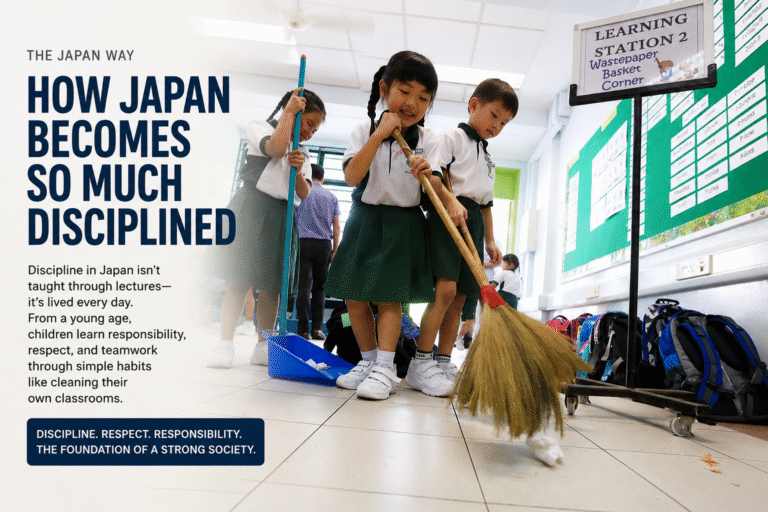
From childhood, many Japanese people learn to respect time, work sincerely, and contribute to society. Because of this mindset, Ikigai becomes a natural part of life.
One of the biggest examples of Ikigai can be seen in Okinawa, Japan.
Okinawa is famous for having some of the longest-living people in the world. Researchers studied the lives of elderly people there and discovered something interesting.
Even at 80, 90, or 100 years old, many people still had a purpose.
Some continued gardening.
Some practiced calligraphy.
Some cooked daily meals with joy.
Some met friends regularly.
Some helped younger generations.
They stayed emotionally active because they still felt needed.
In many places around the world, people lose direction after retirement. But in Japan, many elderly people continue living with purpose. Their Ikigai keeps their minds and hearts alive.
This shows us something important:
Humans do not only need food and money to survive.
Humans also need meaning.
The Problem With Modern Life
Today, people compare themselves constantly.
Social media has made this even worse.
Someone is traveling more.
Someone earns more money.
Someone has a better lifestyle.
Someone becomes popular online overnight.
Slowly, people begin feeling that their own lives are not enough.
But Ikigai teaches us something powerful:
Your life does not need to look like someone else’s life.
A peaceful person living simply can be happier than a millionaire living with stress and emptiness.
Many people today work without emotional connection to their lives. They wake up tired, work without joy, and sleep feeling mentally exhausted.
Ikigai reminds us that life should not only be about survival.
It should also be about feeling alive.
The Beauty of Small Things
One of the most beautiful parts of Japanese culture is how deeply people appreciate small moments.
The sound of rain.
The smell of tea.
Cherry blossoms falling slowly in spring.
Walking quietly in nature.
Watching sunlight enter a room.
Japanese culture teaches mindfulness naturally.
People learn to appreciate moments instead of constantly chasing bigger things.
Ikigai is connected deeply with this idea.
You do not always need luxury to feel happiness.
Sometimes peace exists in ordinary moments.
Modern society often tells people:
“Move faster.”
“Earn more.”
“Do more.”
“Become more.”
But Ikigai gently says:
“Slow down and feel life.”
That simple lesson can completely change a person’s mindset.
If Ikigai Were a Human
Imagine Ikigai as an old Japanese grandfather living peacefully near the mountains.
Every morning, he wakes up before sunrise.
He opens his wooden window slowly and smiles at the morning air.
He makes tea carefully.
He waters his small garden.
He greets neighbors warmly.
He repairs old objects instead of throwing them away.
One day, a young man visits him.
The young man looks stressed and tired.
He says,
“Grandfather, why do I feel empty even when I work so hard every day?”
The old man smiles gently and pours tea into a small cup.
Then he says:
“Because your body is working, but your heart is lost.”
The young man becomes silent.
The old man continues:
“When you eat, truly taste the food.
When you walk, feel the ground.
When you work, work with love.
When you speak to people, be fully present.
Life becomes beautiful when you stop running away from the present moment.”
The young man asks,
“So what is the secret to happiness?”
The grandfather smiles again and says:
“Happiness is not hiding somewhere far away. It quietly waits inside meaningful living.”
That is Ikigai.
It is not loud.
It does not scream for attention.
It teaches wisdom softly.
What We Can Learn From Ikigai
Ikigai is not only for Japanese people.
Anyone can practice it.
The first step is asking yourself honest questions:
- What makes me happy?
- What kind of work feels meaningful to me?
- What activity makes me forget time?
- What gives me peace?
- How can I help others while also enjoying life?
These questions slowly help people reconnect with themselves.
Many people spend years following society’s expectations without understanding their own hearts.
Ikigai teaches self-awareness.
It reminds people to stop living automatically.
Ikigai Is Not About Perfection
Many people think they must find one perfect dream or one magical career to discover Ikigai.
But that is not true.
Ikigai changes throughout life.
At one age, your Ikigai may be learning new skills.
Later, it may become building a family.
Then helping others.
Then creating art.
Then finding peace.
Life evolves, and purpose evolves too.
The goal is not perfection.
The goal is connection.
A meaningful life is created slowly through daily actions.
The Connection Between Ikigai and Mental Health
Today stress, anxiety, depression, and loneliness are increasing everywhere.
People are connected online but disconnected emotionally.
Many people no longer know themselves deeply.
Ikigai can help heal this problem because it gives direction to life.
When people wake up with purpose, their energy changes.
They feel needed.
They feel valuable.
They feel connected to something meaningful.
That emotional strength affects physical health too.
This is one reason why many Japanese people continue staying active and mentally strong even at older ages.
Ikigai is not only philosophy.
It is emotional nourishment for the human heart.
How We Can Follow Ikigai in Our Own Lives
Following Ikigai does not require moving to Japan or changing your life overnight.
It begins with small habits.
1. Find What You Love
Ask yourself:
“What activity makes me genuinely happy?”
Not what society expects.
Not what impresses others.
What truly makes your heart feel alive?
2. Improve Slowly Every Day
Japanese culture respects mastery and consistency.
Even small progress matters.
You do not need to become perfect instantly.
You only need to keep improving.
Small steps every day become powerful over time.
3. Help Other People
True purpose often grows through contribution.
Helping others creates emotional fulfillment.
Even simple acts matter:
- Listening carefully
- Supporting family
- Teaching someone
- Being kind
- Sharing knowledge
Meaning grows through human connection.
4. Slow Down Your Mind
Modern life creates constant noise.
Sometimes people are so distracted that they stop experiencing life itself.
Take time to:
- Walk quietly
- Sit peacefully
- Observe nature
- Think deeply
Ikigai grows in peaceful moments.
5. Appreciate Simple Happiness
Not every happy moment needs to be extraordinary.
A peaceful morning.
A meaningful conversation.
A warm meal.
A sunset.
A smile from someone you love.
These moments are also part of life’s meaning.
Why the World Needs Ikigai Today
The world is becoming more advanced technologically, but emotionally many people feel emptier than before.
People are burning out mentally.
Children are growing under pressure.
Adults are constantly stressed.
Old people often feel forgotten.
Ikigai reminds humanity about something important:
Human life is not meant only for competition.
Life is also meant for:
- Peace
- Relationships
- Purpose
- Joy
- Growth
- Gratitude
That is why this Japanese philosophy feels so powerful around the world today.
People are searching for meaning again.
A Beautiful Lesson From Japan
Japan teaches the world many beautiful things:
- Respect for others
- Discipline
- Cleanliness
- Patience
- Simplicity
- Dedication
But perhaps one of its greatest lessons is this:
A meaningful life is more important than a rushed life.
Modern society often celebrates busy people.
But Ikigai celebrates fulfilled people.
There is a huge difference between the two.
A person can be busy all day and still feel empty.
Another person can live simply and still feel deeply happy.
Ikigai teaches us to choose meaning over endless pressure.
Final Thoughts
Ikigai is not just a Japanese word.
It is a reminder that life should be lived with purpose and awareness.
Many Japanese people follow Ikigai because it helps them stay connected to life itself. It teaches them to appreciate small moments, work sincerely, stay emotionally active, and live with meaning every day.
In a world filled with stress and comparison, Ikigai feels like a peaceful voice saying:
“You do not need to run endlessly to find happiness.”
Sometimes happiness already exists in simple living, meaningful work, caring relationships, and peaceful moments.
Perhaps the real beauty of Ikigai is this:
It teaches humans not just how to live longer,
but how to live better.
And maybe that is the lesson the entire world needs today.
So before sleeping tonight, ask yourself one simple question:
“What makes my life worth waking up for tomorrow?”
The answer to that question may slowly lead you toward your own Ikigai.